

I’ve sat at Casino Hold’em tables for more hours than I’d like to admit, and the game rewards a clear plan more than most. You’re not facing other players here; the dealer is your only opponent, and that shift changes every decision you make. The familiar Texas Hold’em hand rankings are still there, but the call-or-fold mechanic offers the game its own rhythm. It draws both poker players and table game regulars. What follows are the concrete tactics and strategic habits that have helped me stay disciplined, control risk, and appreciate the time I devote at the table.
Learning the Basics of Casino Hold’em
Before you place a single chip, you need to know precisely how a hand plays out. Casino Hold’em employs a standard 52-card deck and sets you heads-up against the dealer, never against other players. You commence by placing an ante bet, and you can also include the AA+ side bet if you wish. The dealer deals you two hole cards and retains two for the house, all face down. Then appear the first three community cards, called the flop. That flop is your first big decision point.
The Ante and Call Bets
Once you’ve viewed your two cards and the flop, you have to pick between folding and calling. Fold and you give up your ante plus any side bet, and the hand is over. Call and you have to place an extra bet valued at exactly twice your ante. After you call, the dealer reveals the final two community cards, the turn and river, to finish the five-card board. Your best five-card poker hand is formed from any combination of your two hole cards and those five community cards.
The dealer then flips over their own two hole cards and forms the best five-card hand from their seven cards. The showdown compares your hand with the dealer’s hand, but only if the dealer meets the requirement. That qualifying rule is the single most important thing to internalise because it directly impacts when you should attempt a call. I always recall to myself that folding isn’t a failure. It’s a disciplined choice that protects my bankroll for better spots.
The AA+ Side Bet
The AA+ side bet is an optional wager rewarded based only on your two hole cards and the first three community cards. You don’t need to beat the dealer to win this one; you just require a pair of aces or better using your cards plus the flop. Payouts increase for stronger hands like a flush, a straight, or a royal flush. I view this bet as a separate entertainment wager with its own risk profile, never as a core part of my strategy.
Hand Rankings
Hand rankings adhere to the usual Texas Hold’em order, from high card all the way up to royal flush. Because you’re competing with the dealer rather than a full table, the importance of certain hands changes a bit. A pair of fours, for instance, counts far more here than in a crowded multiplayer pot, because it can defeat a dealer who doesn’t manage to qualify. I hold a mental note of where my hand sits against that minimum qualifying threshold.
Bankroll Management for Casino Hold’em Sessions
I seldom sit at a Casino Hold’em table unless I have a set session budget. The game moves at a steady pace and the call bet is twice the ante, so the amount at risk per hand may climb quickly. I allocate my session bankroll into at least 50 ante units. If I’m playing with a £1 ante, that means I take at least £50 to the table. That buffer enables me to endure natural swings without feeling forced to chase losses.
I also define a win goal and a loss limit before I start. If I double my session bankroll, I contemplate walking away or at least locking in part of the profit. If I lose half my budget, I stop and verify whether I’m still thinking clearly. The biggest bankroll mistakes I see are players raising their ante after a few losses to try to recover quickly. That approach almost invariably speeds up the drain. Steady, consistent bet sizing keeps the game fun and sustainable.
When I factor in side bets, I put no more than 10% of my session bankroll toward AA+ or progressive wagers. Those bets are intended for occasional hits, not steady returns. By keeping my main game bankroll separate from the side bet budget, I make sure a cold run on AA+ doesn’t force me to abandon a perfectly good main game session. Discipline in bankroll allocation is the quiet superpower of every long-term player I admire.
Ideal Strategy for the Calling Decision
The call-or-fold choice is the point at which you can lower the house edge. The optimal strategy has been worked out through millions of simulated hands, and I follow a simplified version of that chart whenever I play. The core idea is to call when your hand has a positive expected value against the dealer’s entire range, considering the qualifying rule and call bet paytable into account. Deviating from this strategy pushes the house advantage up noticeably.
Hands You Should Invariably Call
I don’t ever fold when I hold any pair or better after the flop. A pair already beats the dealer’s minimum qualifying hand, and it has a good chance of holding up through the turn and river. I also call with any ace-high hand, regardless of the board texture. An ace-high can still win if the dealer misses the board or fails to qualify, and the ace works as a blocker against the dealer making a strong pair.
I also call with any king-high hand unless the flop shows two overcards to my king. For example, if I hold king-ten and the flop comes ace-queen-four, both the ace and queen are higher than my king, so a call is unprofitable over time. If the flop is jack-eight-three, my king-high is still live, and I’ll readily put in the call bet. These rules handle most spots you’ll run into.
Marginal Hands and the Fold Line
The toughest decisions involve queen-high and jack-high hands. I fold all queen-high hands except when the flop is unusually low and disconnected, something like two-three-six with no straight or flush draws. Even then, I only call if my queen has a decent kicker, like a nine or ten alongside it. The maths indicates that calling with queen-high in most situations leaks chips slowly, because the dealer qualifies often enough to punish weak calls.
Jack-high hands are nearly always a fold for me, Jack Casino mobile app, regardless of the flop. The only exception I’ve found is when I hold jack-ten suited and the flop gives me a strong straight or flush draw, and even then the call is marginal. I prefer to err on the side of discipline. Every chip I save by folding a losing hand is a chip I can use later when I have a real edge. That mindset has kept my sessions far more stable.
The way the Dealer Makes the Qualifying Hand and Why It Counts
The dealer has to hold at least a pair of fours to qualify. If the dealer misses qualifying, you get even money on your ante bet, and your call bet is given back as a push. That generates an interesting dynamic: a somewhat weak hand can still make you a profit if the dealer fails to hit the qualifying mark. Understanding this rule is the foundation of every smart call-or-fold decision I make at the table.
When the dealer fails to qualify, you get nothing on the call bet, just the ante. That means you’re risking two units on the call to win one unit on the ante when the dealer is weak. When the dealer qualifies and you prevail, the ante rewards even money and the call bet offers according to a fixed paytable. The paytable typically awards even money for a pair or high card, 2:1 for two pair, and up to 100:1 for a royal flush. I constantly check the exact paytable at the table I’m playing, because small changes can change the house edge.
The qualifying rule also implies you shouldn’t call automatically with every hand that looks decent. If the dealer is improbable to qualify, calling with a marginal hand may only secure the ante, while folding might have lost the same ante anyway. The real profit comes from hands strong enough to beat a dealer who makes the qualifying hand. I constantly balance the chance of the dealer making a pair of fours or better against the strength of my own holding.
Trying Casino Hold’em at Jack Casino
I select Jack Casino for Casino Hold’em because the platform is tidy and simple to navigate. The game lobby is well organized, so I can rapidly find both RNG and live dealer versions. I enjoy that I can filter by table limits, which spares me from scrolling through stakes that don’t match my budget. The overall vibe is relaxed and professional, and that helps me stay focused on my strategy.
Live Dealer Experience
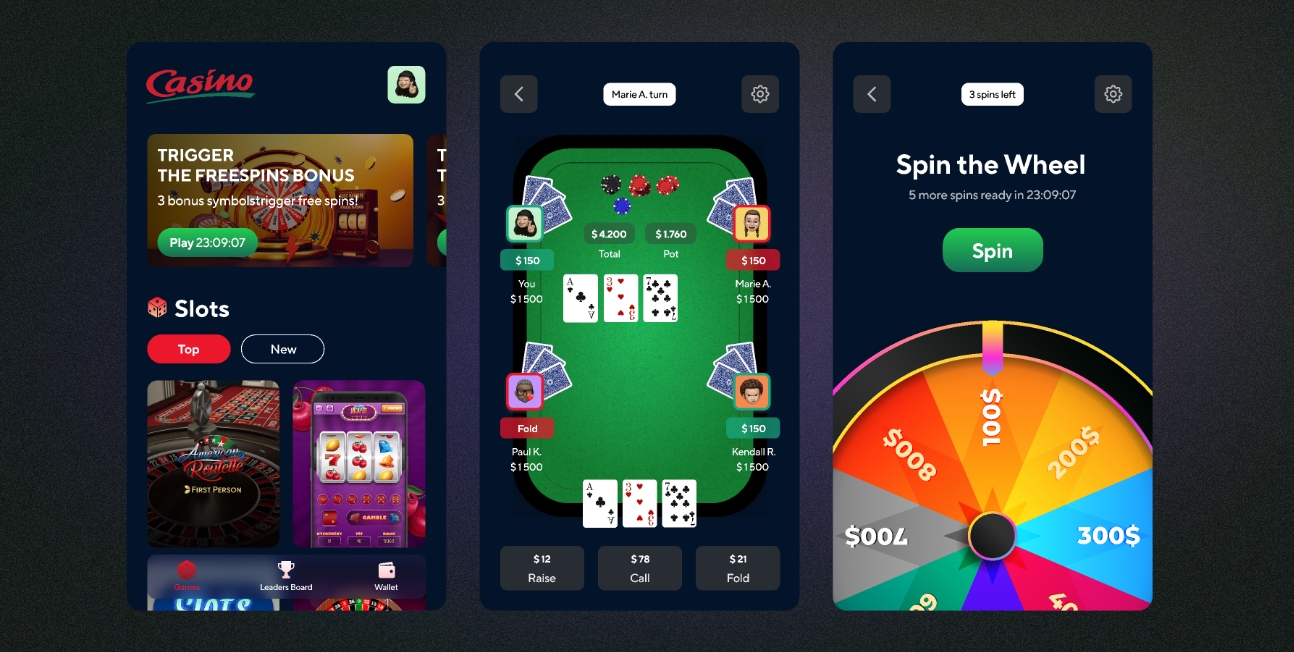
The live Casino Hold’em tables at Jack Casino air from professional studios with welcoming, trained dealers. The interaction brings a social element that a purely digital table cannot equal. Multiple camera angles allow me to view the cards clearly, and the chat function means I can exchange a few words with the dealer or other players. The pace is unhurried without being slow, so I have sufficient time to think through each call-or-fold decision without feeling rushed.
I also like that the live tables run around the clock, so I can jump into a hand whenever I feel like it. Betting limits generally cover a wide range, from low-stakes tables for cautious play to higher-limit tables for bigger bankrolls. I’d advise checking the lobby for current minimum and maximum ante values, because they can change depending on demand and time of day. The video quality has been steadily crisp on my connection, which is important when I need to read board textures correctly.
Bonuses and Promotions
The Jack Casino platform provides a welcome package that usually includes a deposit match bonus, and I’ve seen occasional no-deposit spins or bonus funds for new players. The exact terms vary regularly, so I always browse the promotions page to read the latest offer details. Wagering requirements apply, and table games like Casino Hold’em may count at a lower rate than slots, sometimes as little as 10% or 20%. I include that into my thinking before claiming any bonus.
Beyond the welcome offer, I maintain an eye on ongoing promotions like cashback, leaderboard challenges, or reload bonuses. These can offer extra value to my Casino Hold’em sessions, but I only join when the terms match with how I already play. I never switch my strategy just to hit a wagering target. The promotions page is clearly organized, and I can usually find the key terms without wading through dense paragraphs of fine print.
Banking and Security
I need to know my money is safe and that deposits and withdrawals work without friction. Jack Casino supports a range of payment methods familiar to UK players, including debit cards, PayPal, Skrill, Neteller, and bank transfer. Deposits land instantly, so I can fund my account and get to the Casino Hold’em table within seconds. Withdrawal times vary by method: e-wallets are often processed within 24 hours once verified, while card and bank transfer withdrawals can take three to five working days.
Security matters a lot to me, and the site uses industry-standard 128-bit SSL encryption to protect personal and financial data. Jack Casino is licensed and regulated by the UK Gambling Commission, which means it has to comply with strict standards for fair play, player fund segregation, and responsible gambling tools. I can establish deposit limits, session reminders, and self-exclusion options directly from my account dashboard. That regulatory oversight gives me confidence every time I take a seat to play.
Playing on Mobile
I often play Casino Hold’em on my phone, and the Jack Casino mobile experience works seamlessly. The site is fully responsive, so I don’t need to download a dedicated app. The table layout adjusts well to smaller screens, with clear bet buttons and easy access to the paytable and game rules. I’ve used both iPhone and Android devices, performance is smooth, and I’ve never had a dropped connection during a live dealer hand. Mobile play lets me fit a few hands into a quiet moment without losing quality.
The Role of the Side Bets
Ancillary bets in Casino Hold’em introduce an additional layer of entertainment, but I approach them with a firm view of their house edge. The AA+ bet, the most common one, typically carries a house edge between 5% and 7%, depending on the paytable. That’s far higher than the main game’s edge of about 2.16% under optimal strategy. I regard the side bet as a independent, high-risk wager supported by only a minor slice of my session bankroll.
The AA+ Bonus
The AA+ bonus pays when your two hole cards plus the flop form a pair of aces or better. Payoffs climb rapidly: a flush might pay 20:1, while a royal flush can offer 100:1 or more. I at times place a minor AA+ bet when I’m in the mood for a long-shot thrill, but I don’t ever chase losses by raising it. The trick is to view any win from this bet as a welcome surprise, not a strategic target.
Some tables feature an extra progressive jackpot side bet, which combines part of each wager into a expanding prize. To win the top progressive prize, you usually need a royal flush using both of your hole cards. The odds are incredibly long, but the possible payout can be life-changing. I only wager on progressives when the jackpot has grown unusually large, and even then I maintain my bet at the table minimum. Always verify the specific rules and paytable on the Jack Casino game information screen before you proceed.
Progressive Jackpots
Progressive jackpots are linked across multiple tables and at times multiple casinos, so the prize can climb quickly. The contribution to the jackpot comes directly from your side bet, which implies the base game return is lower. I remind myself that the expected value of a progressive bet is typically negative until the jackpot attains a certain threshold. For casual play, I’d advise skipping the progressive unless you’re okay with the higher volatility and lower hit frequency.
Frequent Errors and How to Avoid Them
One of the most common errors I see is players calling with any two cards just because they’ve already put in the ante. That’s a typical sunk-cost fallacy. The ante is lost the moment you place it, and the sole question is whether calling with two more units is profitable given your hand and the flop. I force myself to evaluate each decision point on its own, disregarding what I’ve already put into the pot.
Another mistake is rating too highly suited connectors or small pairs when the flop misses completely. A hand like seven-eight suited might look tempting, but if the flop comes king-queen-four with no flush draw, you’re practically hoping for a miracle runner-runner straight. The maths says fold. I also see players ignoring the dealer’s qualifying chances. Calling with a weak ace-high on a highly coordinated board often ends in disappointment because the dealer qualifies often and beats you with a pair.
Finally, many players regard the AA+ side bet as a must-play wager on every hand. That habit quietly drains a bankroll because the house edge on the side bet is far higher than the main game. I only play it occasionally and for fun, never as part of my profit plan. Evading these common pitfalls doesn’t need advanced maths, just a willingness to stick to a proven decision framework and acknowledge that folding is a legitimate winning move over time.
Free Play and Practice Options
Before I ever wagered real money at Casino Hold’em, I dedicated hours on free play versions to practice the call-or-fold decisions. Jack Casino features demo modes for many of its RNG table games, so you can test with virtual credits. I used that feature to rehearse the optimal strategy until it became second nature. There’s no replacement for repetition when you’re training your brain to spot marginal situations instantly.
I still utilize free play mode now and then when I want to try a small adjustment or warm up before a real-money session. The interface is the same as the paid version, so the shift appears natural. I’d advise every new player spend at least a few sessions in demo mode before funding. It enhances confidence and takes away the pressure of costly mistakes while you’re still learning the flow of the game.
Popular Questions
How does the house edge work in Casino Hold’em?
Using optimal strategy, the house edge on the main ante and call bets sits around 2.16%. This number assumes you’re making the right call-or-fold decisions with a standard paytable. The AA+ side bet carries a higher house edge, typically between 5% and 7%, so I treat it as a separate, riskier wager. Always verify the paytable at your table, as differences can move the edge slightly.
Can I count cards in Casino Hold’em?
Card counting isn’t a practical advantage play here. A single deck is shuffled after every hand, whether physically by the dealer or electronically in the RNG variant. There’s no discard tray of exposed cards to track, so no meaningful count can be built. Your edge is derived completely from good call-or-fold decisions, not from counting cards.
Is there an easy strategy chart to follow?
Yes, I rely on a simplified strategy chart that handles the most frequent situations. Call with any pair, ace-high, or king-high unless the flop shows two cards higher than a king. Fold every queen-high or lower hand, barring uncommon low-board scenarios. You can locate more detailed charts online, yet this basic structure already avoids most costly errors and maintains the house edge close to its theoretical minimum.
How does the AA+ side bet work exactly?
The AA+ bet is determined by your two hole cards and the flop alone. You win when you have a pair of aces or higher with those five cards. Payouts begin near 7:1 for aces and climb for better hands including two pair, three of a kind, straight, flush, full house, four of a kind, straight flush, and royal flush. The turn and river don’t affect this bet, so you know the outcome immediately after the flop.
What are the minimum and maximum bets at Jack Casino?
Stake limits at Jack Casino change depending on your choice of RNG or live dealer table and the hour. I’ve observed antes beginning at just £0.50 on certain digital tables, whereas live tables frequently start at £1 or £5. High-limit tables can handle much larger antes. I always look at the lobby for the present stake range prior to joining, since the info is plainly listed for each table.